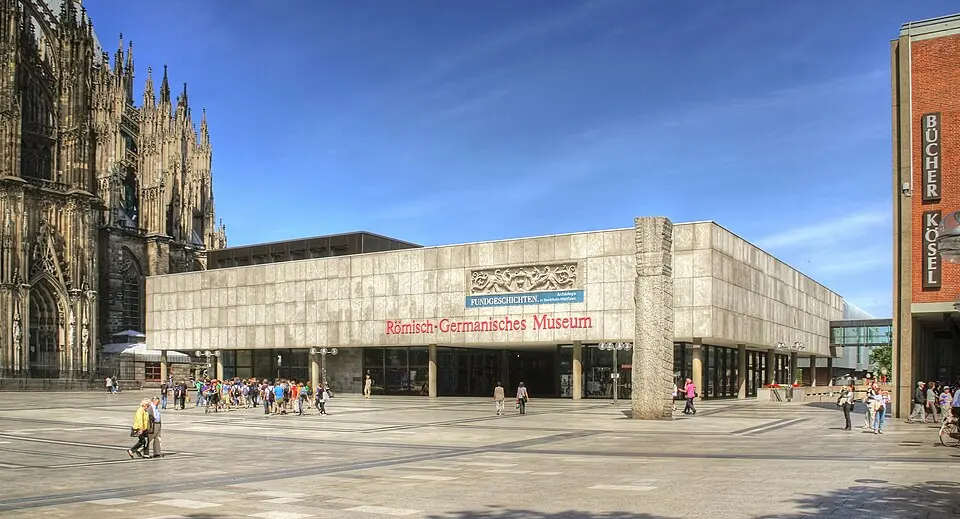
Cologne lies in North Rhine-Westphalia on the Rhine, nestled in the Cologne Bay between the Bergisches Land and the Eifel. The city stretches over a large area with elevation differences of about 37 to 118 metres above sea level. With around one million inhabitants, it is the most populous city in the state and a central hub in the Rhineland metropolitan region.
The city traces its history back more than 2,000 years, beginning with its Roman foundation as Oppidum Ubiorum. In 50 AD it was granted city status under the name Colonia Claudia Ara Agrippinensium. Its location on the Rhine and its links to important trade routes made Cologne an important centre in the Holy Roman Empire. As the seat of the Archbishopric of Cologne and a former Free Imperial City, it shaped the region not only religiously but also politically and economically.
Today Cologne is an international economic and cultural metropolis with a rich cultural heritage. The city is famous for its cathedral and its Romanesque churches, which rank among Europe’s most significant medieval buildings. As the carnival stronghold and home to major media companies such as RTL and the West German Broadcasting Corporation, it is a vibrant centre. Cologne also hosts important trade fairs like Gamescom and Art Cologne, which rank among the world’s leading events of their kind. The city combines historical traditions with modern dynamism and remains an important transport hub with several long-distance railway stations and inland ports.